

Geopolitical Shockwaves Hit Indian Textiles as Polyester Costs Surge
.webp)
Share Post
War-Driven Oil Spike Ripples through Textile Supply Chain
Rising geopolitical tensions in the Middle East are sending shockwaves through India’s textile industry, with polyester manufacturers and fabric producers feeling the impact first. The escalation in crude oil prices triggered by the US–Israel–Iran conflict has rapidly pushed up the cost of key petrochemical inputs used in polyester production.
Since polyester fibres are derived from petroleum-based feedstocks, the sudden spike in crude prices has quickly transmitted across the entire polyester value chain. Within days, the prices of essential raw materials such as purified terephthalic acid (PTA) and monoethylene glycol (MEG) surged, creating immediate cost pressures for textile manufacturers. For an industry already navigating fluctuating global demand and tight margins, the sudden escalation in raw material prices has created a new layer of uncertainty.
Polyester Value Chain Under Pressure
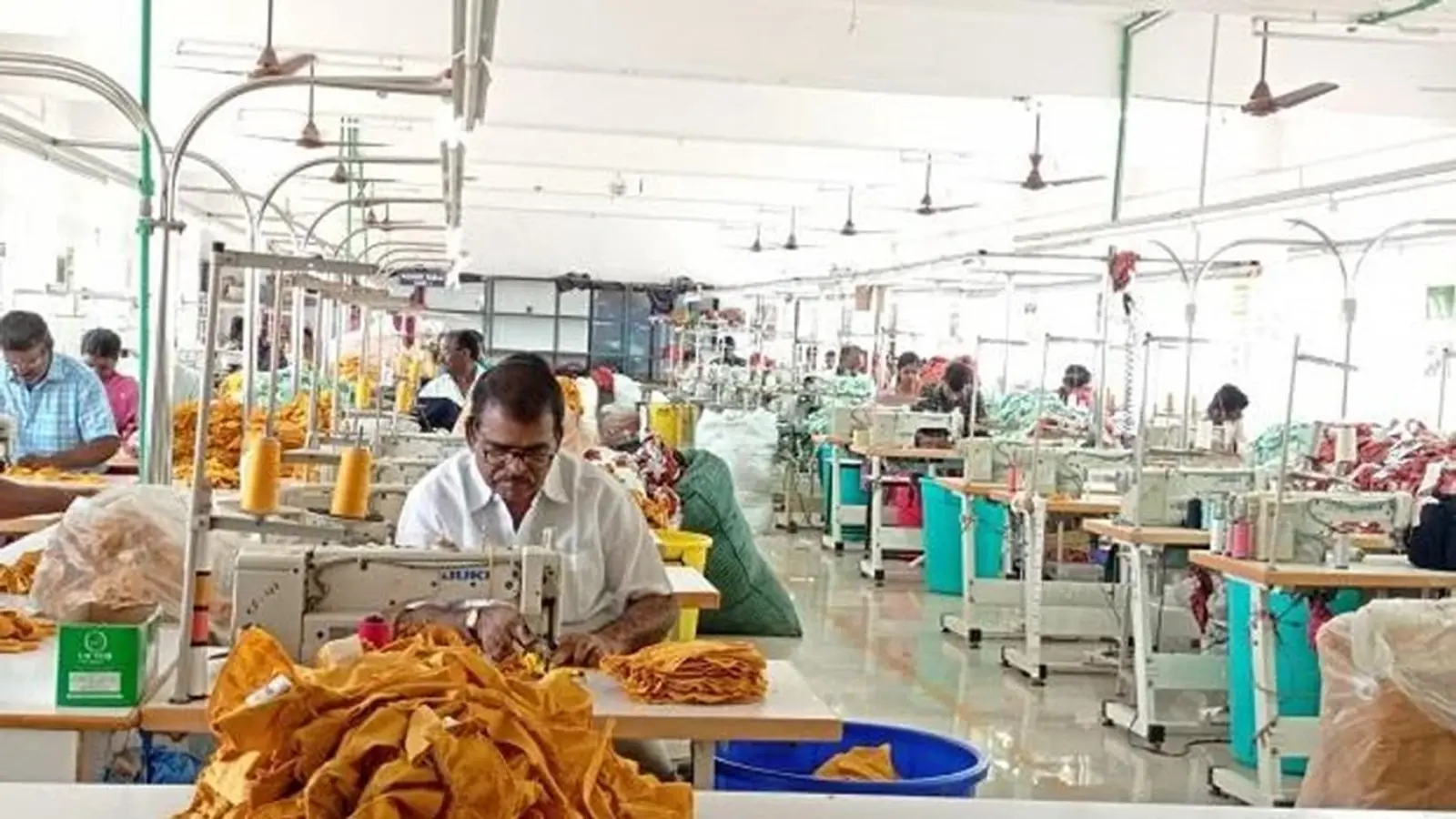
Polyester dominates India’s synthetic textile segment, widely used in apparel, Home textiles and technical fabrics. The price escalation is now squeezing producers at multiple stages of the supply chain. The key challenges emerging across the sector include:
- Rapid rise in PTA and MEG feedstock prices
- Higher polyester fibre and yarn production costs
- Shrinking profit margins for textile mills
- Increased working capital requirements
- Short-term production cuts by smaller units
Small and medium-sized textile enterprises are particularly vulnerable. Many MSME manufacturers operate with limited financial buffers and are struggling to absorb sudden input cost spikes while maintaining competitive pricing in export and domestic markets. Industry stakeholders say that even minor fluctuations in petrochemical feedstock costs can significantly affect polyester economics due to the scale at which synthetic fibres are produced and consumed.
A Wake-Up Call for Supply Chain Resilience
The current situation highlights the deep interconnection between global geopolitics, energy markets and textile manufacturing. Polyester-based textiles depend heavily on crude oil derivatives, making them highly sensitive to international conflicts and oil price volatility. Experts suggest that the industry may need to rethink its long-term strategies to reduce vulnerability. Potential responses could include:
- Diversifying raw material sourcing
- Investing in recycled polyester technologies
- Improving energy efficiency in production
- Strengthening risk management for feedstock costs
For now, Textile manufacturers are closely monitoring oil market movements and recalculating production strategies to manage cost pressures. While the immediate challenge lies in absorbing the sudden spike in feedstock prices, the broader lesson is clear: geopolitical events far from factory floors can rapidly reshape the economics of the textile industry.
01:23 PM, Mar 09
.webp)
.webp)
.webp)
.webp)
.webp)
Industry Update
1.webp)
India’s Textile Exports Slip in FY26, Exposing Structural Gaps in Global Competitiveness...view more
1.webp)
1.webp)
1.webp)
.webp)


1.webp)
1.webp)
1.webp)
1.webp)


India Textile Exports Fall in FY26: Apparel Shows Slight Strength Amid Global Challenges...view more
1.webp)

1.webp)

1.webp)

1.webp)
1.webp)
1.webp)


1.webp)
1.webp)
1.webp)
1.webp)





1.webp)

1.webp)

1.webp)


1.webp)
Punjab Eyes Green Transformation of Textile Processing Clusters to Attract Global Brands...view more

1.webp)


1.webp)
1.webp)
1.webp)


1.webp)
1.webp)
1.webp)



1.webp)
1.webp)


1.webp)


1.webp)
1.webp)


1.webp)

1.webp)


1.webp)


1.webp)
1.webp)
1.webp)


1.webp)
1.webp)


1.webp)


1.webp)

1.webp)
1.webp)
1.webp)
1.webp)


1.webp)
1.webp)
1.webp)


1.webp)


1.webp)


1.webp)


1.webp)



1.webp)

1.webp)
1.webp)
1.webp)

1.webp)

.webp)
1.webp)

1.webp)






1.webp)







1.webp)

1.webp)


.webp)


_large1.jpeg)


.png)


.jpg)


1.jpeg)
