

Denim Makes a Comeback: Comfort Trends and DTC Boom Drive Global Growth
.webp)
Share Post
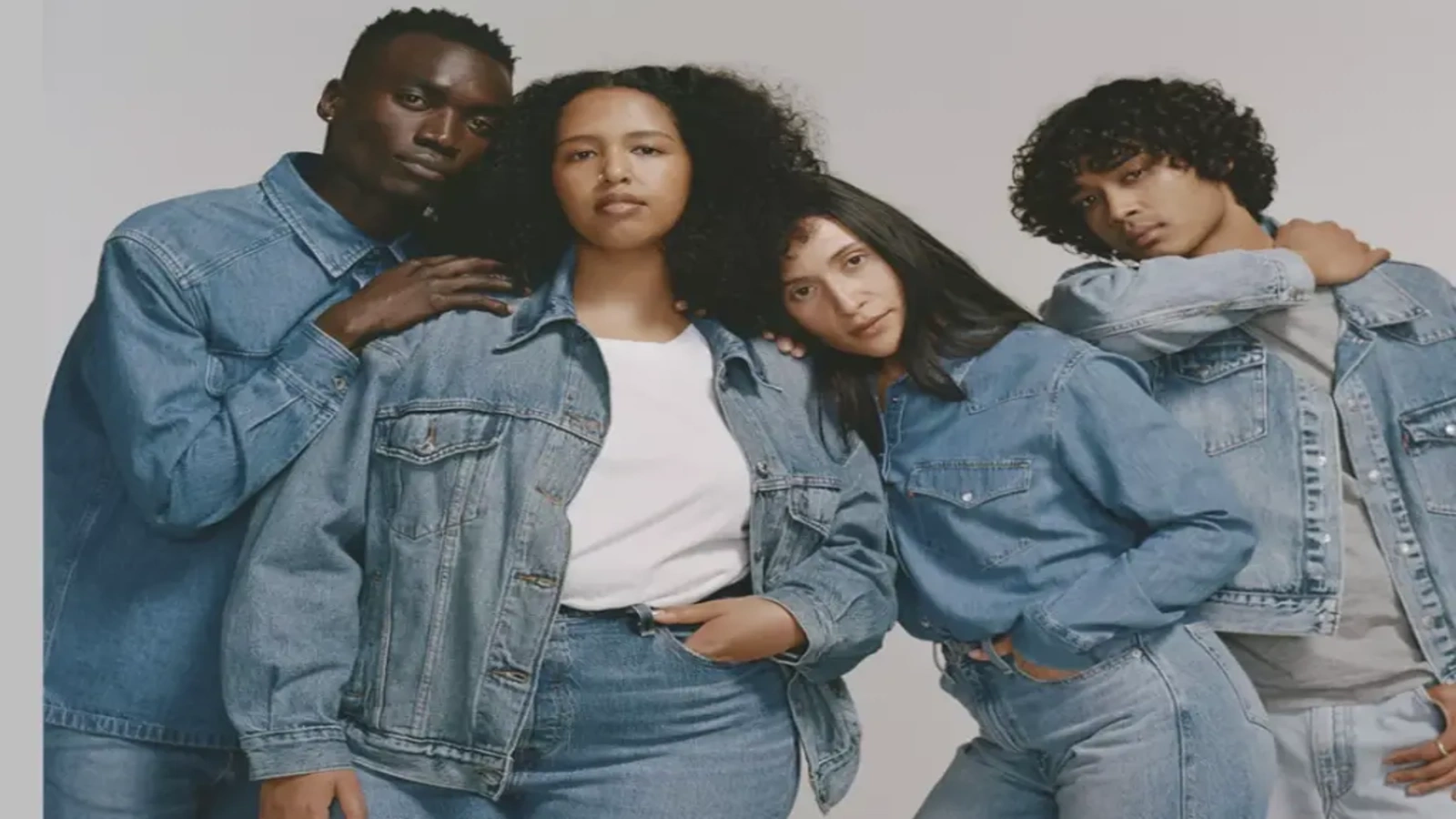
The Global Denim Market is experiencing a strong recovery following the pandemic, outperforming the broader apparel sector as consumer preferences shift toward comfort and versatility. During the pandemic, demand for denim declined significantly due to remote working trends and reduced social activities. However, as normalcy returns, consumers are once again embracing denim, but with a renewed focus on comfort-driven styles. Relaxed fits such as baggy jeans, boot cuts, and bell bottoms have gained popularity, reflecting a broader transition toward casual and functional fashion.
Leading companies like Levi Strauss & Co. have played a key role in driving this recovery by adapting their product offerings and pricing strategies to align with changing consumer expectations. At the same time, the growth of direct-to-consumer (DTC) channels has enabled brands to connect more effectively with customers, further boosting sales and brand engagement.
Despite the positive momentum, the denim market is becoming increasingly competitive. Fast fashion brands and digital-native companies are rapidly gaining traction by offering trend-driven products at competitive prices. This has intensified pressure on traditional players to innovate and maintain their market share. In addition, the industry continues to face challenges related to global supply chain disruptions, tariffs, and geopolitical tensions, which are impacting production and increasing costs. These factors have made it more difficult for companies to balance pricing with profitability.
Overall, the denim segment’s resurgence highlights its resilience and adaptability in a rapidly changing fashion landscape. With strong consumer demand, evolving styles, and expanding digital channels, denim is once again positioning itself as a key growth driver within the global apparel industry.
03:39 PM, Apr 24
Other Related Topics
.webp)
.webp)
.webp)
Industry Update
1.webp)
1.webp)
1.webp)
.webp)

1.webp)
1.webp)
1.webp)
1.webp)
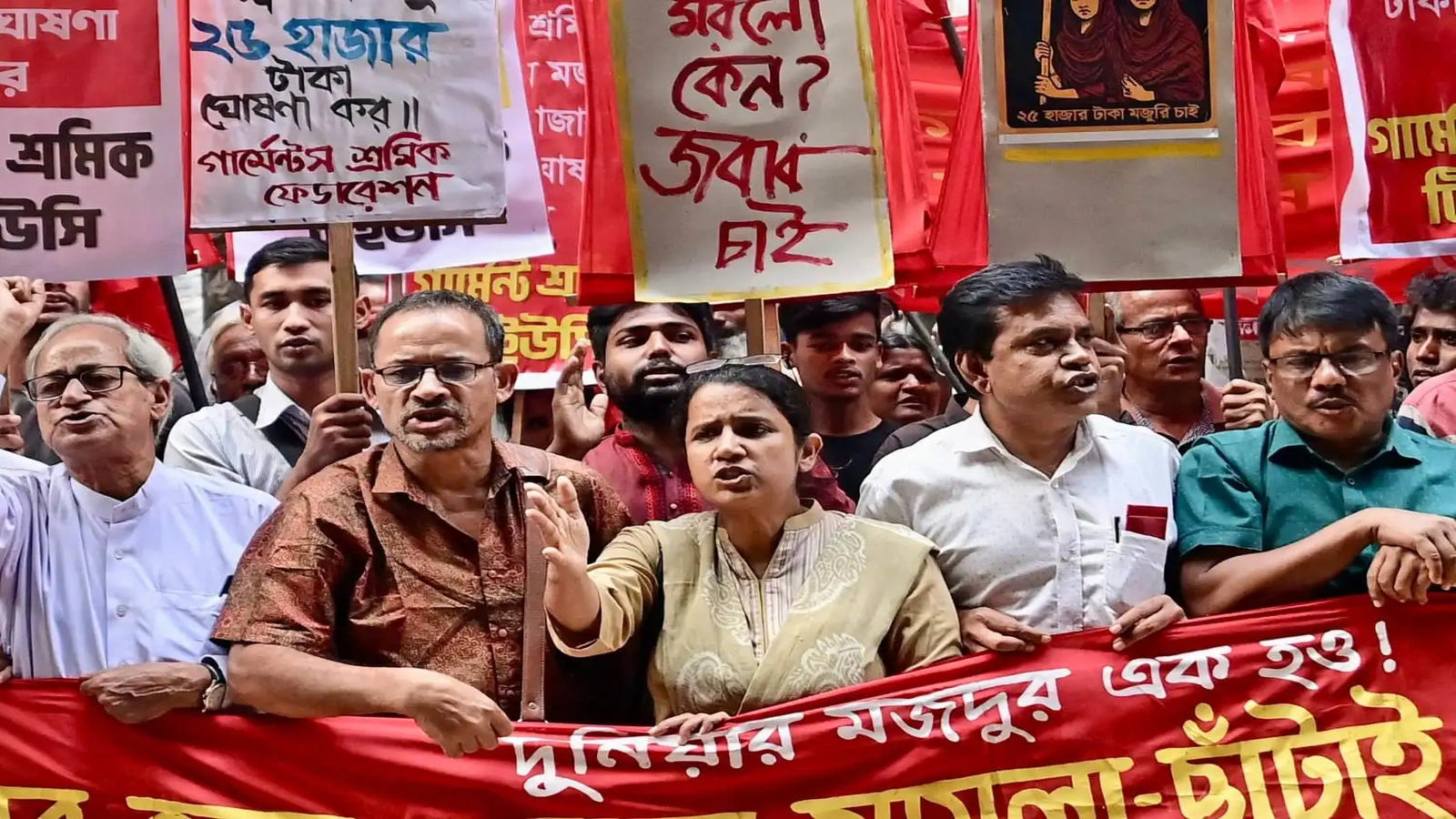
India Textile Exports Fall in FY26: Apparel Shows Slight Strength Amid Global Challenges...view more
1.webp)

1.webp)

1.webp)

1.webp)
1.webp)
1.webp)


1.webp)
1.webp)
1.webp)
1.webp)






1.webp)

1.webp)

1.webp)


1.webp)
Punjab Eyes Green Transformation of Textile Processing Clusters to Attract Global Brands...view more

1.webp)

1.webp)
1.webp)
1.webp)


1.webp)
1.webp)
1.webp)


1.webp)
1.webp)


1.webp)


1.webp)
1.webp)


1.webp)

1.webp)


1.webp)


1.webp)
1.webp)
1.webp)


1.webp)
1.webp)


1.webp)


1.webp)

1.webp)
1.webp)
1.webp)
1.webp)


1.webp)
1.webp)
1.webp)


1.webp)


1.webp)


1.webp)

1.webp)


1.webp)

1.webp)
1.webp)
1.webp)

1.webp)

.webp)
1.webp)

1.webp)




1.webp)






1.webp)

1.webp)


.webp)


_large1.jpeg)


.png)


.jpg)


1.jpeg)
